
Can Aerial Surveillance Tools Improve Public Safety in Modern Policing?
The field of police work has experienced a significant transformation during the past several years. Officers need to respond within shorter timeframes while handling extended geographic regions and managing incidents which may escalate into dangerous situations. The existence of that pressure creates a tangible situation. More departments begin to implement aerial technology for their operational needs because of this development. Police drones now support traffic management, missing person investigations, emergency operations, and crowd control activities.
The equipment does not serve as a substitute for police personnel. The system enables officers to gain vital information which protects them from unpredictable events. People continue to express concerns about privacy and potential misuse of the system, which requires active attention. The tools should be used in a responsible way because they will enhance safety for police officers and members of the public.
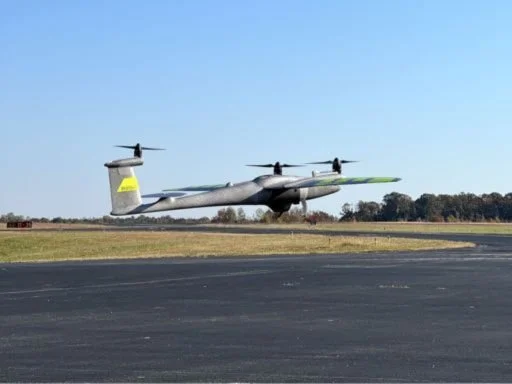
Why Police And Drones Are Becoming Part Of Everyday Policing
Not long ago, aerial support mostly meant helicopters. They were expensive, loud, and impossible for smaller departments to use regularly. That is where smaller aerial systems changed the game.
Now, officers can launch a unit within minutes and get a live view of an area without waiting for backup from another agency. That speed matters more than people realize. In emergencies, even a few extra minutes can completely change the outcome.
Departments are also realizing these tools are useful for more than just major crimes. They help during road closures, accident reconstruction, search missions, and even large public events where visibility becomes difficult from the ground.
How Surveillance Aerial Monitoring Gives Officers Better Awareness
One thing officers constantly deal with is uncertainty. They often arrive at scenes with very little information. An overhead view changes that almost immediately.
Instead of walking blindly into a crowded area or a dangerous location, teams can first understand what is happening from above. They can identify blocked routes, suspicious movement, or people who may need help.
This becomes especially useful during fires and floods and during fast-moving emergency situations. The officers achieve better coordination because all members of the team access identical information, which is updated in real time.
That does not just improve response. It reduces confusion, too.
Need better aerial visibility?
[Talk to Cleartopia Solutions]
The Real Purpose Of Law Enforcement Technology
There is a mistake people sometimes make when talking about policing technology. They assume the equipment itself solves problems. It does not.
Good policing still depends on judgment, communication, and trust within the community. Technology is only useful when it supports those things instead of replacing them.
Aerial systems simply help officers make faster and safer decisions. They can document crash scenes more efficiently, monitor large gatherings without creating panic, and inspect areas that may be unsafe for officers to enter immediately.
In many situations, having better information early prevents mistakes later.
What Drones In The Police Force Actually Change
The biggest difference is awareness. Officers no longer have to rely only on radio calls or incomplete descriptions from witnesses. They can see situations developing as they happen.
That changes how departments manage searches, emergencies, and public events. Teams can respond with more control instead of reacting at the last second.
Smaller departments also benefit because aerial systems cost far less than maintaining traditional aircraft support. For many agencies, this technology is finally realistic from a budget standpoint.
And honestly, that matters. Most departments are already stretched thin.
Concerns Around Police Drones At Night
Night operations are difficult for any department. Visibility drops. Movement becomes harder to track. Stress levels rise fast.
That is one reason thermal imaging and low-light cameras are becoming more common. These systems help officers locate people or monitor situations without rushing blindly into dark areas.
Still, this is also where privacy concerns become louder. People want to know when aerial systems are being used and how collected footage is handled afterward.
Those concerns are fair. If departments are not transparent, public trust disappears quickly. Clear rules and accountability are just as important as the technology itself.
Why Police Drone Training Is A Bigger Deal Than Most People Think
A lot of people assume operating aerial systems is easy. It is not.
Training becomes essential for these tools because operators must use them in high-pressure situations that lack predictable outcomes. The operators require knowledge about safety protocols, which include their legal boundaries, weather monitoring procedures, emergency response methods and communication protocols.
Without proper preparation, mistakes happen fast. Good training also helps officers stay calm during tense moments. A skilled operator can gather critical information quietly without escalating a situation on the ground.
That balance is important.
The Growing Role Of UAV Systems
Modern aerial systems are improving quickly. They are lighter, faster, and more reliable than they were even a few years ago.
Some can map entire areas in minutes. Others stream live footage directly to command teams during active operations. That kind of access helps departments coordinate faster without wasting time relaying information back and forth.
The systems demonstrate their worth during emergency situations. The responders can safely inspect flood zones, wildfire areas and collapsed structures before entering dangerous environments. The technology keeps evolving, but responsible use still matters more than flashy equipment.
How Cleartopia Solutions Approaches This Technology
AtCleartopia Solutions, we see aerial technology as a support tool, not a replacement for human judgment. From our perspective, the goal is simple. Help departments make safer decisions without adding unnecessary complexity during critical moments.
We develop practical systems which enhance visibility and decrease risk while providing teams with trustworthy information during unpredictable events. The technology achieves its highest performance when it remains dedicated to actual operational requirements instead of pursuing market trends.
Final Thoughts On Police Drone At Night
Aerial policing tools are probably going to become more common over the next few years. That part feels inevitable.
The actual difficulty lies in ensuring that departments will use the resources in a responsible manner. Communities want safer streets, but they also want transparency, accountability, and clear limits.
Proper system management leads to enhanced response performance, which aids investigations while decreasing dangers for all participants. The ultimate objective of our work should remain unchanged because it aims to produce better decisions which lead to safer results while enhancing public safety.
Ready to improve response times?
FAQs
Q. How does Cleartopia Solutions support Police Drones programs?
Cleartopia Solutions supports agencies through aerial system guidance, operational planning, and practical deployment support. The goal is to help departments improve situational awareness while keeping operations safe, reliable, and manageable during real-world emergency response situations.
Q. Are aerial surveillance tools too expensive for smaller police departments?
Not anymore. Over the past several years, costs have become easier to handle. The smaller departments today operate compact aerial systems because these systems cost less to run than helicopters, yet still deliver essential real-time monitoring during emergency situations and search missions.
Q. Can aerial systems actually help during natural disasters?
Yes, they can make a huge difference. Officers and emergency teams can quickly inspect damaged roads, flooded areas, or unstable structures without immediately putting responders in danger. Faster aerial visibility often helps teams react more safely and efficiently during chaotic situations.
Q. Do people worry about privacy when police use aerial tools?
Absolutely, and those concerns are understandable. Most people simply want clear rules about when systems are used, how information is stored, and who has access to footage. Departments that communicate openly usually build stronger trust with the communities they serve.
