
Which Components Determine the Durability of an Unmanned Aircraft?
Commercial drones face incredibly demanding conditions. Your hardware does not simply reside safely on a shelf or within perfect flying weather. It gets shipped in the back of a truck, operates close to high voltage power lines, and is subjected to corrosive salt spray, dust particles, and abrupt wind shear. In the event that you have a failure at your site because your device is unable to handle worsening environmental factors, you will shut down operations entirely and increase expenses for the job.
Durability for commercial drones is not just based on survival from a potential hit by something else; it is also whether that equipment will survive through repeated exposure to adverse weather and working conditions. With extremes ranging from summer heat to sudden rain and dust from construction sites, the life of your aircraft depends on some key elements. This guide breaks down the essential components that dictate true structural ruggedness, including airframe materials, motor sealing, and smart redundancy. We also examine how choosing UAS Hardware preserves your capital investment over time, and how Cleartopia Solutions connects you with the most resilient platforms available.
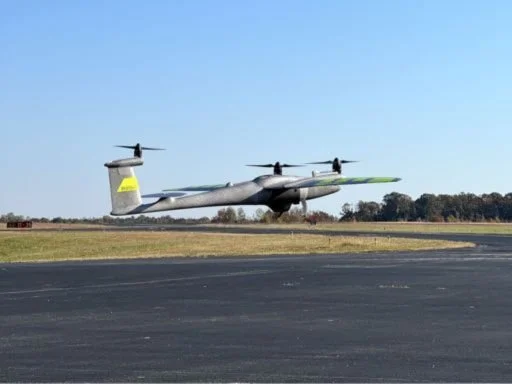
Evaluating Core UAS Hardware Materials
Creating a sturdy fleet begins with the materials required to build the frame. Consumer-grade drones are known to use standard molded plastic that gets degraded by high amounts of UV radiation and warped when exposed to high temperatures.
For industrial-grade UAS Hardware, the benchmark standard requires advanced carbon fiber composites or specialized high-impact polymers. These materials are chosen because they absorb the constant micro-vibrations of heavy flight hours and protect the delicate internal avionics of the aircraft during firm landings.
The Moving Parts: Motors, Rotors, and Bearings
While you may utilize one of the most durable frames, the presence of dirt in your engine will eventually cause failure of the aircraft. Open-face motors are extremely susceptible to particles in the environment and even to moisture in practice.
To ensure an enterprise fleet survives multiple deployment seasons, you must audit the specific design elements of the propulsion system:
Sealed Bearings: Abrasive dust from construction or mining sites will quickly degrade standard steel bearings. Industrial rigs utilize sealed, dust-rated assemblies or ceramic components that resist friction and wear.
Propeller Material: Weak plastic propellers break easily if they brush past anything like tall grass or weeds while flying at lower altitudes. Durable platforms use sturdy carbon fiber blades that retain their strength when pressure is applied.
Water Resistance: Although a drone is not required to be waterproof, it should have motors coated internally so that it can withstand heavy rain without malfunctioning.
Confused about what hardware to choose?
Payloads and Sensors: Safeguarding Critical Data
The cameras, thermal sensors, and LiDAR pucks are consistently the most expensive components on the aircraft. Whether you are running high-resolution optical gear or tactical surveillance sensors, sensitive glass and calibration mounts are inherently fragile. For specialized operations, rugged ISR Drones require highly isolated payload mounts to protect these investments. If a camera gimbal absorbs the raw vibration of the rotors, the internal stabilizing motors will wear out prematurely.
Smart engineering means recessing expensive lenses into the primary body structure so they do not sustain the initial impact if a landing goes poorly. Utilizing scratch-resistant sapphire glass or modular, replaceable protective shields saves operations teams from replacing an entire sensor suite due to loose gravel kicked up during takeoff.
Power Management and Battery Resilience
Batteries are the critical link in drone longevity that teams frequently overlook. Enterprise lithium packs are sensitive to extreme temperatures. In freezing conditions, unmanaged batteries suffer rapid voltage drops, which severely curtail flight windows and introduce the risk of sudden power loss.
To mitigate this risk, professional-grade Surveying Drones utilize smart battery management systems (BMS). The smart packs include internal heating systems, which will heat up the batteries before a cold start. Additionally, they come in durable cases, as damage to the battery could be dangerous due to its high temperature at work sites.
Autonomy and Structural Redundancy: Preventing Accidents
Sometimes durability is less about physical armor and more about an aircraft's ability to actively avoid hazardous situations. Human piloting error remains the statistical leading cause of airframe damage across the commercial sector.
It’s here where advanced autonomy fundamentally changes what fleet endurance means. Smart devices like autonomously driven Skydio Drones utilize full 360-degree computer vision systems to detect any potential obstacles around them in real-time. The system recognizes thin wires, branches, and scaffolding, which people cannot detect easily, preventing the drone from colliding with them.
Industrial-grade platforms also incorporate critical hardware and system redundancies:
Dual IMUs and Compasses: If an internal sensor encounters heavy magnetic interference near structural steel, a backup sensor instantly assumes control to maintain stable flight.
Motor Failure Safeguards: Helical formations such as the hexacopter type have sophisticated flight systems programmed within them, enabling the drone to come down in case one of its motors fails midair.
Weather-Resistant Tools for Public Safety: The police drones are very much dependent upon their built-in fail-safe options to enable officers to fly them even under adverse weather conditions.
How Cleartopia Solutions Keeps You Operational
At Cleartopia Solutions, we recognize that equipment downtime translates directly into lost revenue and missed deadlines. Your business should not have to guess which platforms can truly withstand a rugged industrial workspace. Operating out of Denver, Colorado, we partner with top-tier manufacturers to provide commercial enterprises and public agencies nationwide with verified, battle-tested hardware.
We do not simply ship hardware; we deliver comprehensive aerial ecosystems, integrating rugged platforms, advanced processing software, and structured corporate training into a high-value package tailored to your explicit business goals. We manage the technical vetting so your crew can focus on executing deliverables safely and efficiently.
Ultimately, an unmanned aircraft’s durability is the sum of its parts: a resilient airframe, weather-sealed propulsion, protected payloads, and intelligent software. Investing in high-quality components upfront minimizes repairs, reduces operational downtime, and secures a significantly lower total cost of ownership over the lifespan of your fleet.
Ready to look up?
[Build Your Drone Program Today]
Frequently Asked Questions
1. Which UAS Hardware components are most critical for drone durability?
Through Cleartopia Solutions, we advise prioritizing carbon fiber frames and weather-sealed motors. High-impact composites and dust-proof enclosures protect internal avionics, ensuring your equipment withstands rigorous, daily field abuse without experiencing structural failure.
2. Why do ISR and public safety drones require higher durability ratings?
Emergency response teams routinely deploy in adverse weather. These aircraft require specialized ingress protection against water, high winds, and smoke, alongside redundant internal sensors to ensure operational reliability when human lives are actively on the line.
3. How does autonomy help prevent physical damage to commercial drones?
Advanced autonomy utilizes real-time computer vision to map obstacles instantaneously. By detecting thin wires and structures that pilots might miss, the software automatically adjusts the flight path, effectively eliminating the primary cause of equipment damage: human error.
4. What is the benefit of using smart batteries in cold weather environments?
Freezing temperatures drain standard lithium cells rapidly, risking sudden mid-air power failure. Smart batteries feature internal self-heating elements that optimize cell temperatures before takeoff, ensuring stable power delivery and protecting the aircraft from unexpected voltage drops.
