





An interview with Trent Casi, Chief Solutions Consultant, Cleartopia
What's the biggest change that drones bring to the table when utility companies conduct inspections?
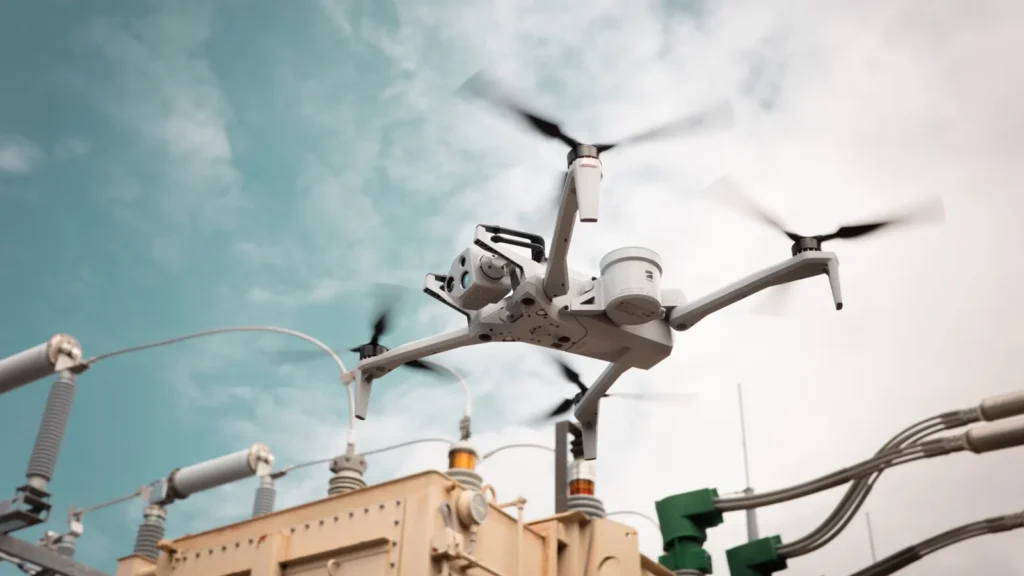
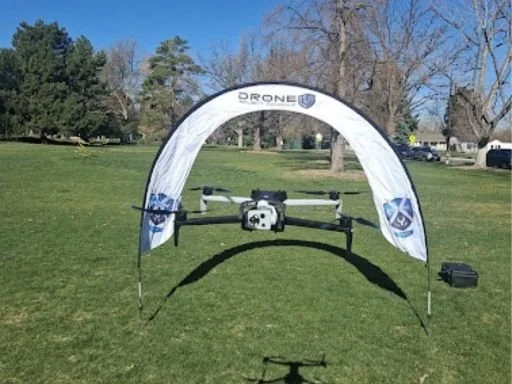
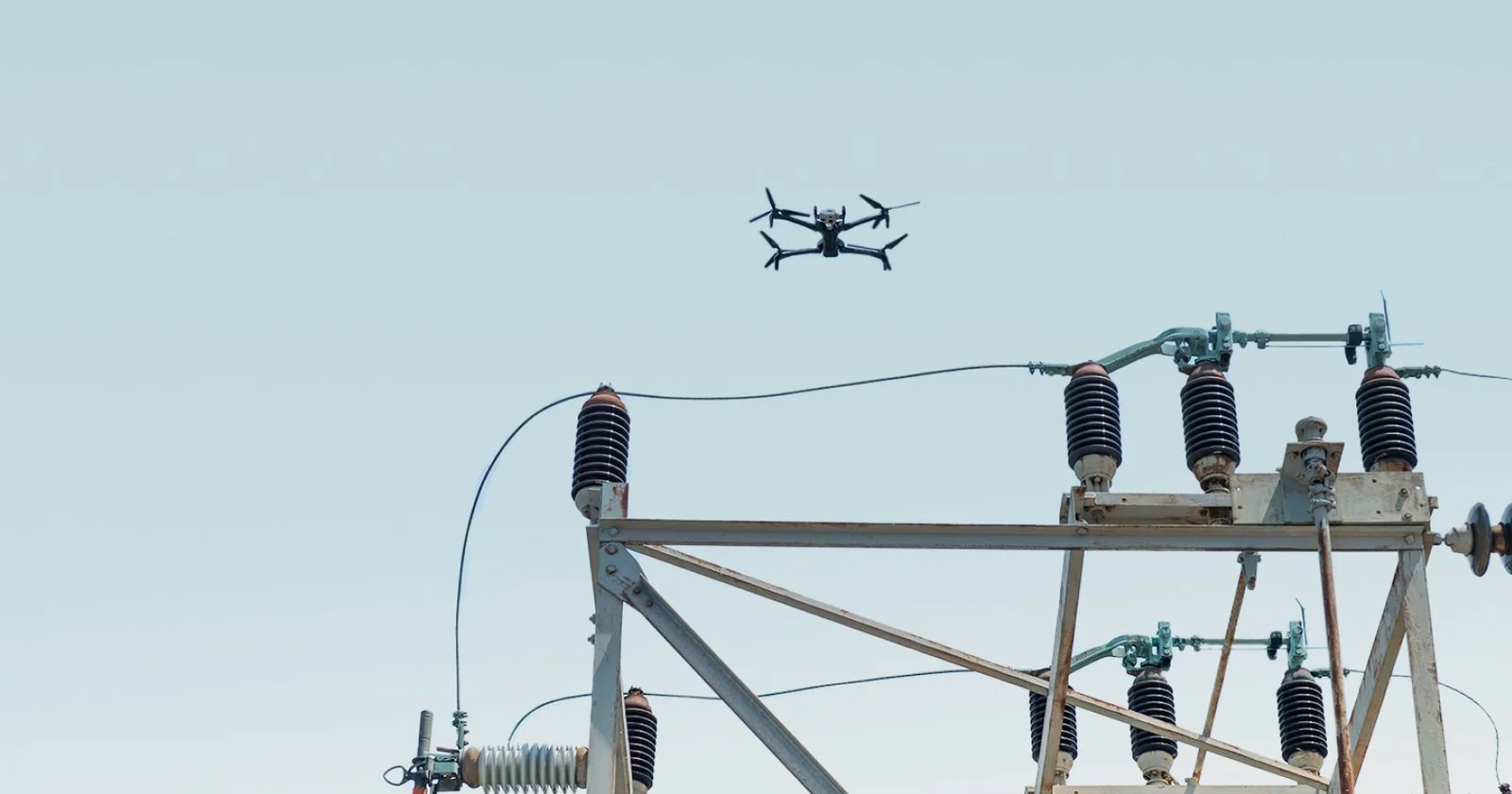
Taking the clipboard out of the field. With drones like Skydio's, you get really robust obstacle avoidance, which is a must because some of these areas are complex to fly in. That adds safety and speeds up response. You can get on site quickly and find problems before they become big problems.
How different are drone inspections from inspections done in the past?
A lot of this infrastructure is inspected two or three times a year. Before drones, crews walked the line with cameras, used bucket trucks to look up close, and in some areas used helicopters. Helicopters mean extremely high costs and insurance, some over $2,000 a mile, and they're much more dangerous to fly in these areas. Drones also mean fewer people in the field. Where you might have had twelve guys out there, now you probably have two or three equipped with a drone.
How widespread is drone adoption among utilities?
The bigger investor-owned utilities are already using drone technology. Medium-sized ones, not quite yet. Co-ops, with fewer resources, are starting to adopt it.
Vegetation management is a big driver. Tree trimming for utilities is probably a $12 to $14 billion industry in the U.S. Look at the recent fire near Pueblo that started when an Aspen tree fell on a power line during a windstorm. With a progressive vegetation management program, you can run calculations along the corridor: this tree is 40 feet tall, so if it falls, will it hit the line? That's why there are big drone purchases for vegetation management.
How hard is it for a utility or co-op to get started with drone inspections?
It's not hard to get going. It's more administrative: getting everybody on board. Executives hear 'drones' and think of legal ramifications. The lawyers ask: drones have lithium-ion batteries, so what if one crashes and causes a fire? Especially out west, that's a real conversation, which is why reliability matters so much.
You need a champion for the technology.
We (Cleartopia) have all the ingredients. We know the hardware; we can bring in partners like Buzz Solutions, and we work with regulatory consultants. And if you're a utility and you're not using drones, you're not serving the utility and the public as you should, especially as a co-op. The rewards are definitely worth the risk. Drones help your bottom line and make things safer.
How long until a team is self-sufficient?
Easily within 90 days. There may be multiple trainings for multiple teams, and pilots need their Part 107 commercial license. That's the easier part: studying so you're legally allowed to fly commercially and understand airspace.
What does support look like after a utility buys a drone?
Support is ongoing: daily or weekly, virtual meetings, whatever's needed. It's key to have a partner who can provide rapid support, because hardware failures happen. How quickly can we get a new drone out? How quickly can we get propellers out after a crash? That white-glove service after the technology is implemented is very important.
Do utilities know what deliverables they need from day one?
They know what they want to see: damaged insulators, worn equipment. The question is how to get there quickly. Many say, 'We want to do this, but we don't know how,' and that's where we hold their hand. We have established workflows, a repeatable blueprint that has worked for other utilities.
That covers how you fly the corridor or network, the angles you use to collect the data, and how far from the asset you fly. You may fly farther away in transmission areas with thick vegetation, and a little closer in urban distribution areas. It depends on your environment. My biggest thing is: let's not reinvent the wheel. Let's use what's worked before.
Why work with Cleartopia rather than buying directly from a manufacturer?
Some manufacturers have smaller teams. They don't have the knowledge or the manpower to help with that. Even though we're small, we have a blueprint, proven with customers like American Electric Power.
What is Buzz Solutions and why are they a key partner to you and to utility companies?
Buzz Solutions is cloud software with AI models trained specifically on utility assets, and we have an exclusive partnership with them. Say you collected 50 poles this week. You upload the images, click the button, and it produces a report for every pole: 'Pole 47 looks clear. Pole 46 may have woodpecker holes.' It detects equipment anomalies, damaged or worn equipment, bird damage, even rodents chewing things. They call the platform PowerAI.
It would take them all day to do that on foot.
What manufacturer is best in class for this application?
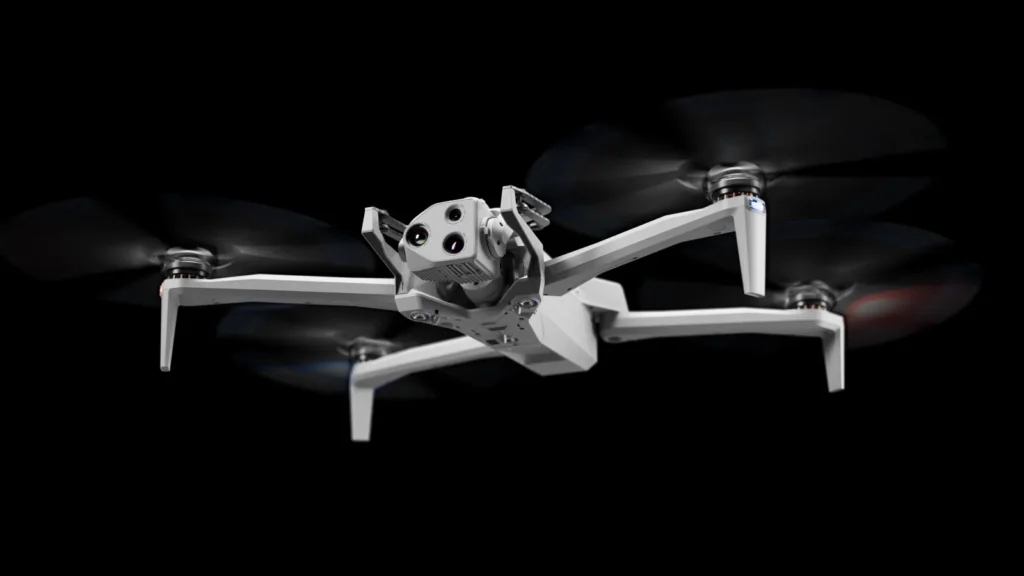
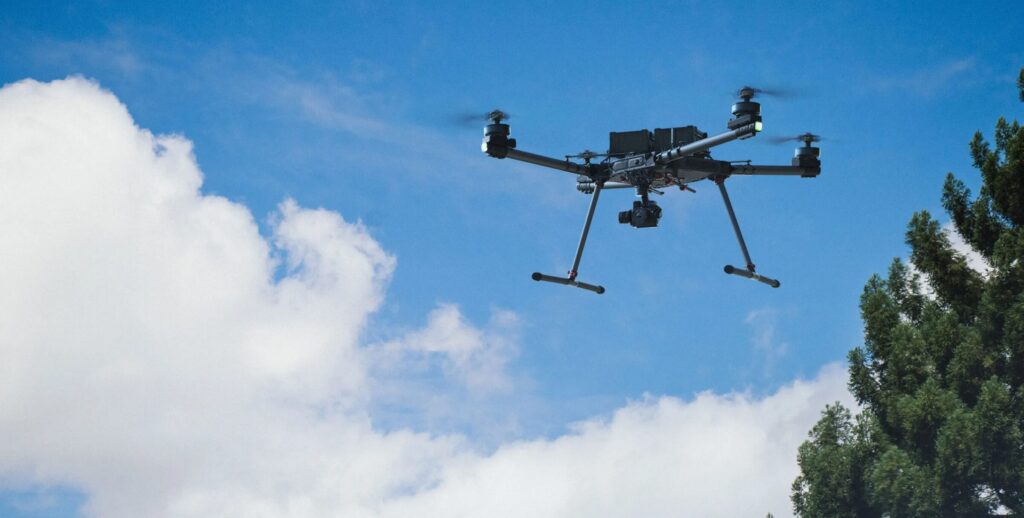
For inspection work, there's nobody I'd recommend other than Skydio. The biggest thing is obstacle avoidance, and the Freefly drones don't have it. Imagine flying a drone manually around a complex structure with birds and trees. The Freefly potentially has a better camera, a 61-megapixel mechanical shutter, and we do have an inspection lens for it. But since DJI was banned, Skydio is the default. All the major utilities have adopted it, and the co-ops too. They're the top dog.
Which Skydio model is best for inspection?
The X10 comes with three sensor options: the VT100-L, VT300-L, and VT300-Z. For inspection, it's the 300Z. It has FLIR Boson+ thermal and a 48-megapixel telephoto lens, so you can read insulators from 800 feet away. I flew one out a thousand feet, held up my hand, and could count my fingers. Probably ninety percent of buyers choose the 300Z. Occasionally people go with the 300L, a 50-megapixel wide lens, for broader shots from closer in.
Nine times out of ten, they buy the thermal option because they're looking for hot spots: why is this area much hotter than the last time we looked? That's especially valuable for substations.
What does a 300Z cost?
The 300Z base kit is about $20,000. That includes three batteries, a charger, the enterprise controller, and a carrying case.
What makes Cleartopia different?
We want the hardware sales, but I get up every morning thinking: how do we make us unique? A lot of it is good old-fashioned sales work and hustle. Sometimes you make a small sale, the customer says, 'They hooked us up with something that works,' and they come back with a bigger deal. We're good at building relationships, and people trust us.